
Reviewed · ARCHES NATIONAL PARK TOURS
Sunset and Night Photography in Arches National Park
Night skies over Arches need a plan. This tour nails the timing, and I like two things a lot: the small group limit (6 people) and the hands-on photo coaching—even for beginners. One thing to keep in mind: there may be short, uneven walking (under a mile round trip) on rocky ground.
What makes it work is that you don’t just show up at sunset and hope for the best. You shoot in the afternoon, go through sunset, then pause and shift gears when it’s dark enough for Milky Way photos. The guide also targets at least three standout locations, including lesser-known angles beyond the usual viewpoints.
Logistics are mostly handled for you, with round-trip transfers from Moab and included snacks plus bottled water you can refill. The trade-off is that Arches National Park admission isn’t included, so bring a pass or your paid entry receipt.
In This Review
- Key highlights you’ll feel right away
- Why sunset-to-night timing works at Arches
- Price and value: what $375 covers
- Moab pickup and the limited space in the guide’s vehicle
- Arches photo stops: at least three locations, including lesser-known angles
- Photo coaching for beginners: settings help when you need it
- The Milky Way moment: why the break matters
- What the group size changes in the field
- What to bring and what to expect on your feet
- Who this tour fits best (and who might want a different plan)
- Should you book? My honest take
- FAQ
- How long is the Sunset and Night Photography tour?
- Where does the tour start and end?
- Is Arches National Park admission included in the price?
- Do you pick up from hotels or campgrounds in Moab?
- Is there a limit on group size?
- What walking is involved?
- What’s included for food and drinks?
- What happens if weather is poor?
- Can beginners join and get help with camera settings?
Key highlights you’ll feel right away
- Small group (max 6) means you get real help, not just a wave from the back of the line
- Afternoon through full dark covers both sunset photography and the Milky Way timing
- At least three photo stops with guidance on composition and what to point your lens at
- Moab pickup available, with a practical note that the guide’s vehicle fits only 4 people plus gear comfortably
- Snacks and refillable water are included, and there’s a planned break around the sunset-to-dark transition
More ways through Arches, gate to gate
- Arches National Park 4×4 Adventure from Moab★ 5.0 · 2,014 reviews
- Arches National Park Back Country Adventure from Moab★ 5.0 · 633 reviews
- HIGHLY RATED Arches National Park Sightseeing Tour From Moab Utah★ 5.0 · 474 reviews
- From Moab: Half-Day Arches National Park 4×4 Driving Tour★ 4.8 · 440 reviews
Why sunset-to-night timing works at Arches
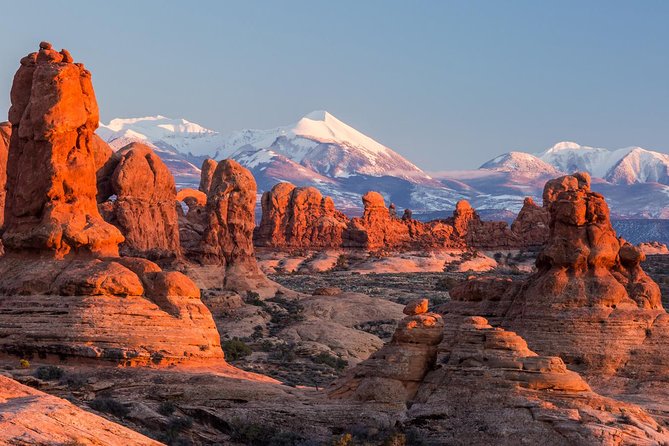
Arches National Park rewards patience. During golden hour, light sweeps across the rock, and textures pop in a way you can’t fake later. Then, once the sky truly turns dark, the Milky Way becomes the main event—and that shift needs time, not just luck.
This is built as an afternoon-to-night flow: you start in the park, keep shooting through sunset, and then you take a short break around the window between sunset and full dark. After that, you’re set up for the Milky Way moment. It’s a simple idea, but it matters because night photography is less forgiving. If you’re rushed, your photos suffer.
Another smart detail: you’re not just roaming. You’re there for specific photographic stops, and the guide gives direction for composition and subject matter as you move. That takes some of the guesswork out, especially if you’re still learning your camera.
Price and value: what $375 covers
At $375 per person, this isn’t a cheap activity—but it’s also not just a ticket with a van. The value comes from four practical things working together:
First, you’re getting real guiding for photography. The tour includes suggestions on composition and subject matter, plus help with camera settings for beginners. That kind of coaching can save you a lot of wasted time and frustration, especially after dark.
Second, you’re paying for convenience. Round-trip transfers from Moab reduce driving stress, parking hassles, and the need to figure out timing on your own. The small group size also helps here; you’re not fighting traffic to keep up with a crowd.
Third, you get a timed entry permit included. That’s one less moving part you have to manage ahead of time.
Finally, you get support for comfort. Snacks (snack bars and trail mix) and refillable water through a cooler with ice water are included. In real life, that keeps your energy steady when the night gets long.
Important catch: national park admission is not included. Budget for your Arches entry/pass separately. If you already have a pass, great. If you don’t, this is one of those tours where the final cost depends on what you bring with you.
Moab pickup and the limited space in the guide’s vehicle
Pickup is offered from Moab—either at hotels or campgrounds (not Castle Valley) or at the Moab or Arches visitor centers. That’s helpful if you don’t want to plan out your own departure route and parking.
Here’s the practical limitation: the guide’s vehicle can comfortably fit 4 passengers plus gear, and only the first four people to sign up for pickup get driven by him. If you’re later in the line, you’ll likely need to drive your own vehicle and follow along.
I like that they’re upfront about it. It prevents the classic last-minute surprise. Still, it’s worth planning your transportation early. If you hate driving at dusk, consider booking soon so you’re more likely to be in the pickup group.
Arches photo stops: at least three locations, including lesser-known angles
The tour focuses on iconic Arches territory, but it’s not just a single famous viewpoint. You’ll visit at least three world-class locations for photography, moving through the afternoon into sunset.
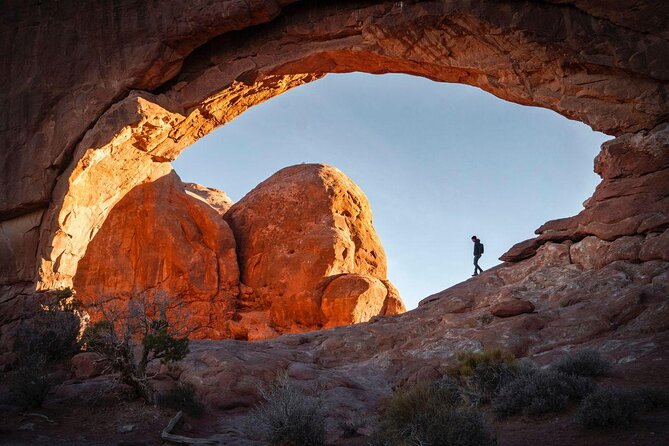
What “lesser-known spots” really means for you is simple: you get variety. Even in a park with famous formations, angles can change everything. Different viewing positions let you frame arches with different foreground shapes, shadows, and sky coverage. The guide’s job is to take you to places where your photos have a better chance of looking intentional instead of accidental.
At each stop, you’re not left to figure it out alone. The guide makes suggestions for composition and subject matter—meaning you’ll get prompted to decide what the photo is about. Are you emphasizing scale? Texture? A strong leading line? A clean arch silhouette against the sky? That kind of direction helps you build a “shot plan” instead of just clicking.
There’s also a brief break built into the schedule between sunset and full dark, timed for when the Milky Way emerges. The idea is to keep you shooting when conditions change, rather than letting everyone scatter and lose the window.
More dark-sky nights over the desert
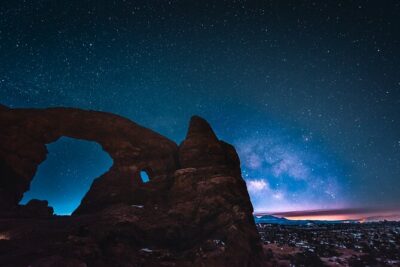
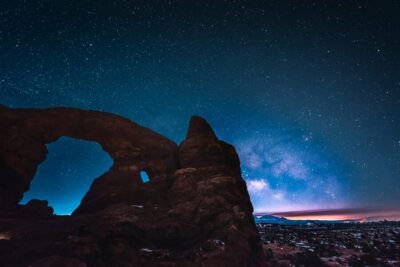
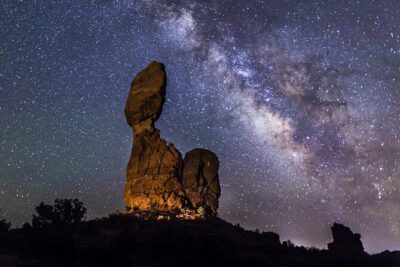
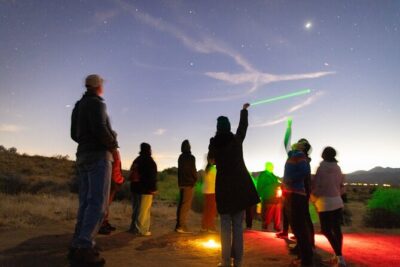
Photo coaching for beginners: settings help when you need it
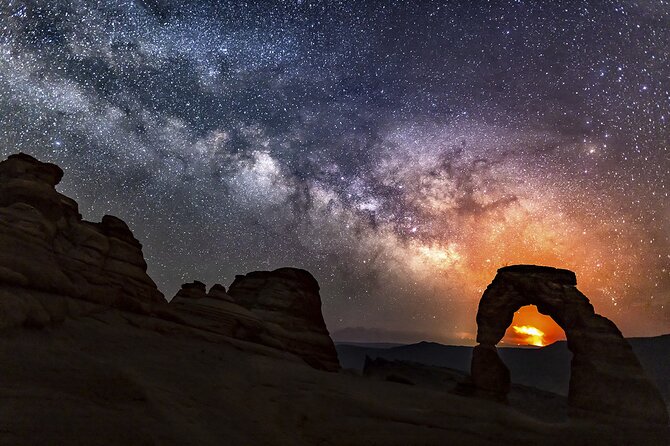
This is one of the big reasons to book, especially if you’re newer. The tour is set up so the guide can help with camera settings if you’re a beginner. That’s not a small deal. After sunset, settings often stop being intuitive, and the learning curve can turn a fun night into a frustrating one.
You’ll also get instruction as needed—tips, tricks, and on-the-spot feedback tied to where you are and what you’re photographing. Instead of generic advice, it’s practical: the guide can match technique to the scene in front of you.
I’d come with your camera charged and ready, and be prepared to ask specific questions. If you can name what you’re trying to do—brighter Milky Way, sharper arch details, less noise, a cleaner frame—the guidance becomes much more useful.
The Milky Way moment: why the break matters
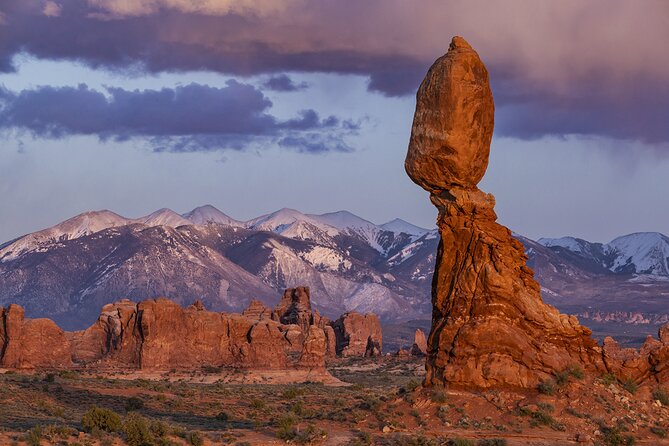
Milky Way photography lives on timing. You need the sky dark enough, and you need yourself steady enough to work at night.
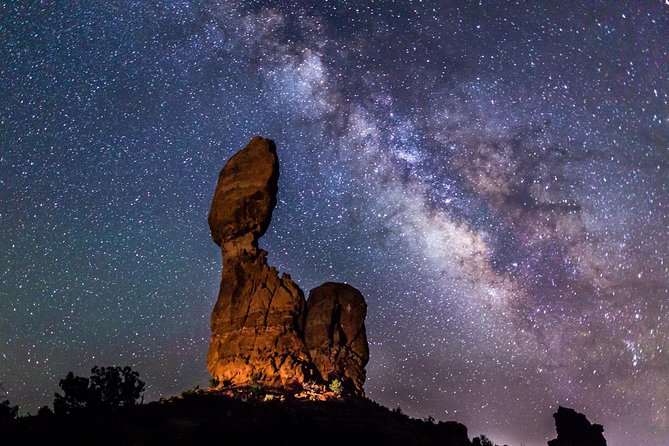
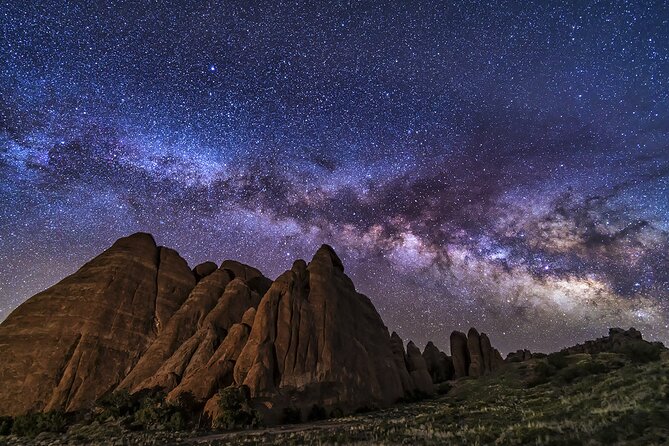
That’s why this tour includes a planned transition period. You shoot through sunset, then you pause around the shift from sunset light to full dark—right when the Milky Way emerges. The break keeps you from running on fumes, and it gives the group a chance to reset gear, check frames, and prepare for the next look at the sky.
The photo payoff is the combination: you’re not just chasing stars. You’ve already built a relationship with the park’s shapes in daylight and sunset. Then, after dark, you get to pair those rock forms with a sky that’s finally doing something dramatic.
Even if Milky Way photos aren’t your top goal, the night portion still gives you a different view of Arches. The stars change the mood fast.
What the group size changes in the field
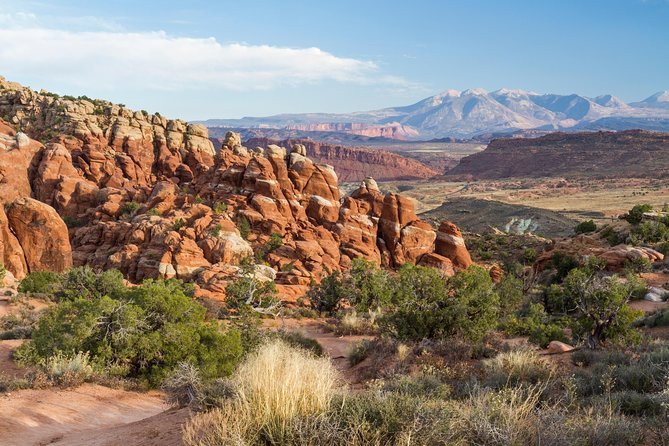
Max 6 travelers (and the transfers/pickup cap) means you don’t get swallowed by the crowd. In a small group, the guide can watch what everyone is doing and help faster. If you’re struggling with a setting or a framing decision, you’re more likely to get a real answer instead of a quick workaround shouted over the wind.
This also helps the flow. Moving between stops is smoother when everyone isn’t trying to herd themselves. You’re more likely to arrive ready, not scrambling.
In the best-case scenario, you leave with more than pictures. You leave with a few concrete techniques you can repeat next time.
What to bring and what to expect on your feet
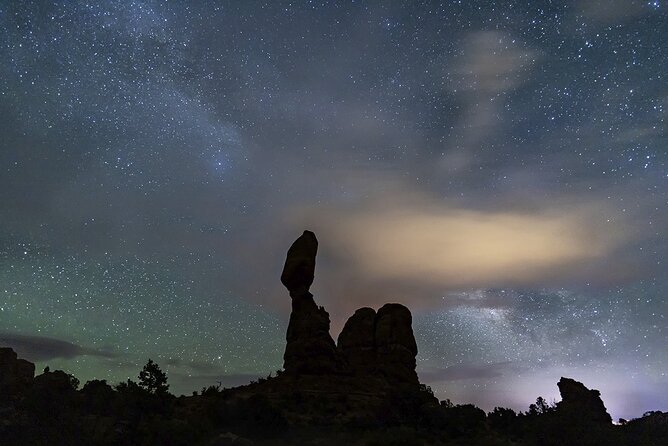
The tour says most people can participate, but there may be some moderate hiking: less than 1 mile round trip, with parts on uneven ground. Keep that in mind if you’re coming straight from a long drive day.
I’d plan to wear footwear you trust on rocks, and expect you’ll step carefully when you’re also trying to frame shots. The physical part is short, but at night, footing matters even more.
One more practical expectation: the tour depends on good weather. If conditions aren’t right, it can be rescheduled or refunded. That’s normal for astronomy-style photography, and it’s part of why the guide is only running it when the sky has a chance to cooperate.
Who this tour fits best (and who might want a different plan)
This is a great fit if you want:
- Photography coaching without guessing your way through settings
- A schedule that goes beyond sunset and includes the Milky Way timing
- A guided route that hits multiple locations, including lesser-known spots
- Convenience from Moab via transfers (when pickup is available)
It might be less ideal if:
- You don’t feel comfortable on uneven ground, even if the total distance is under a mile
- You hate waiting for light to change (sunset-to-night timing is the whole point)
- You can’t handle weather uncertainty, since the tour requires decent conditions
If you’re the kind of person who wants to understand why a photo looks the way it does—composition, subject choices, and settings—this matches that mindset.
Should you book? My honest take
Book it if you want Arches photos with guidance and timing baked in. At $375, you’re paying for coaching, scouting, and a schedule that gets you to the right moments—from sunset light to full-dark Milky Way conditions. The included timed entry permit and the small group size make it feel more “useful” than “just transportation.”
Don’t book if you need a totally stress-free outing where you never walk on uneven ground, or if you refuse to be flexible about weather. Also factor in the fact that park admission is extra.
If you’re ready to learn a bit and shoot with a plan, this is the kind of night experience that actually pays off.
FAQ
How long is the Sunset and Night Photography tour?
It’s about 6 to 8 hours, depending on conditions and the timing from afternoon through sunset and full dark.
Where does the tour start and end?
It starts at the Arches National Park Visitor Center in Moab, Utah, and ends back at the same meeting point.
Is Arches National Park admission included in the price?
No. National park admission is not included. Bring a national parks pass or a paid admission receipt from Arches.
Do you pick up from hotels or campgrounds in Moab?
Yes. Pickup is offered at hotels or campgrounds in Moab (not Castle Valley), or you can meet at the Moab or Arches visitor centers.
Is there a limit on group size?
Yes. The tour has a maximum of 6 travelers.
What walking is involved?
Some moderate hiking may be required. It’s less than 1 mile round trip, and some areas may be uneven ground.
What’s included for food and drinks?
Snacks are included (snack bars and trail mix), and bottled water is included. The guide also provides a cooler with ice water for refilling your bottle.
What happens if weather is poor?
This experience requires good weather. If it’s canceled due to poor weather, you’ll be offered a different date or a full refund.
Can beginners join and get help with camera settings?
Most people can participate, and the guide can help with camera settings if you’re a beginner.
Red Rock at Golden Hour
- Hell’s Revenge Sunset Off-Road Hummer Adventure
★ 5.0 · 129 reviews - Moab: Colorado River Sunset Boat Tour with Optional Dinner
★ 4.7 · 115 reviews - 3-Hours Sunset Arches National Park Pavement Sights Tour
★ 4.5 · 94 reviews - Moab: Arches National Park Sunset Tour
★ 4.8 · 76 reviews - Sunset Tour, Moab, Off-road and Scenic Backcountry
★ 4.5 · 51 reviews
Under Moab Dark Skies
- Astro-Photo, Hiking and Stargazing Tour in Arches National Park
★ 5.0 · 63 reviews - Moab: The Windows Astro-Photography and Stargazing Hike
★ 4.8 · 36 reviews - Milky Way Photography in Arches National Park
★ 4.0 · 4 reviews - Professional Stargazing in Moab
★ 3.5 · 3 reviews
More Ways Into Arches
- Arches National Park 4×4 Adventure from Moab
★ 5.0 · 2,014 reviews - Arches National Park Back Country Adventure from Moab
★ 5.0 · 633 reviews - HIGHLY RATED Arches National Park Sightseeing Tour From Moab Utah
★ 5.0 · 474 reviews - From Moab: Half-Day Arches National Park 4×4 Driving Tour
★ 4.8 · 440 reviews - Discover The Best Of Moab In A Day: Arches Canyonlands Dead Horse
★ 5.0 · 327 reviews
Fresh Off the Trail: Newest Moab Reviews
- Discover Moab Rappelling on a Private Canyoneering Adventure
★ 5.0 · 3 reviews - Moab Custom 4 Seat Kawasaki KRX® 1000 Off Road UTV Rental
★ 5.0 · 3 reviews - Moab: Half-Day Rock Climbing Adventure
★ 5.0 · 3 reviews - Moab Half Day Kayaking Trip – Colorado River
★ 4.6 · 3 reviews - From Moab: Rock of Ages Moderate Rappelling Obstacle Course
★ 5.0 · 3 reviews - Professional Stargazing in Moab
★ 3.5 · 3 reviews
Arches National Park Tours, compared.
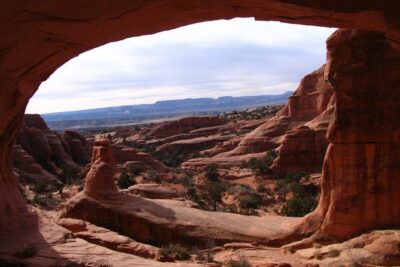 ★ 5.0Arches National Park 4×4 Adventure from MoabFrom $1962,014 reviews
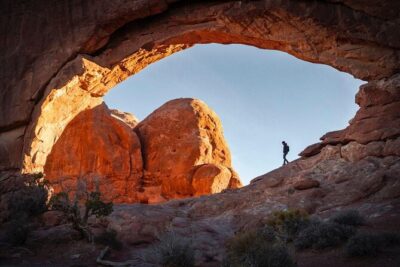 ★ 5.0Arches National Park Back Country Adventure from MoabFrom $210633 reviews
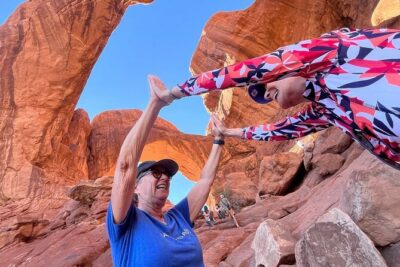 ★ 5.0HIGHLY RATED Arches National Park Sightseeing Tour From Moab UtahFrom $149474 reviews
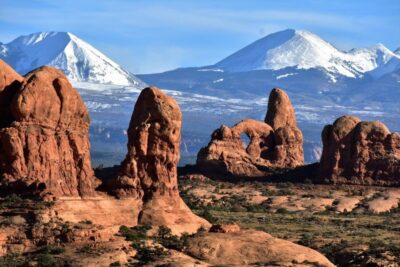 ★ 4.8From Moab: Half-Day Arches National Park 4×4 Driving TourFrom $196440 reviews
 ★ 5.0Discover The Best Of Moab In A Day: Arches Canyonlands Dead HorseFrom $399327 reviews
 ★ 4.9From Moab: Full-Day Canyonlands and Arches 4×4 Driving TourFrom $337289 reviews
 ★ 4.5Arches National Park Self-Guided Driving Audio TourFrom $16288 reviews
 ★ 5.0Arches and Canyonlands 4X4 Adventure from MoabFrom $336234 reviews
Browse the lists this tour appears in