
Reviewed · GOBLIN VALLEY & SLOT CANYONS
Goblin Valley Self Guided Driving Audio Tour
Desert driving gets way more interesting with audio. This self-guided route turns a simple car loop into a story-driven geology and people-watching session, with offline maps so you’re not stuck at the mercy of spotty service. I like that it’s built for an easy 1–2 hour pace, and you can pause for photos and snacks, but I do think the biggest make-or-break is technical: you have to download before you go and start at the correct coordinates for smooth audio playback.
You’ll hit the headline scenery fast: huge red-rock landmarks, famous hoodoos, and even a pictograph panel explanation. The route is over 15 miles long with 15+ audio stories, and the tour is set up so the narration plays automatically as you reach each stop. One drawback to keep in mind: if you’re expecting a long, guided-style experience with lots of walking and on-site interaction, this is more of a focused drive-and-listen plan.
Here’s the bottom line: if you want Goblin Valley context without paying for a full tour bus day, this is a solid, budget-friendly way to make the drive feel purposeful.
In This Review
- Key Highlights You’ll Actually Use
- Why This Goblin Valley Audio Drive Feels Practical
- Price and Value: $9.99 Per Group Can Work Out Well
- Starting at Temple Mt Road: The Coordinates Matter
- How Long It Takes and How to Pace the Stops
- San Rafael Swell: Big Geology Before You Even Hit Goblins
- Welcome to Goblin Valley: From Goblins to Pictographs
- Molly’s Castle: A Landmark You Can Read Like a Drawing
- Wild Horse Butte: When Wind and Water Become Architects
- Three Sisters: The Hoodoos With Names You’ll Remember
- Goblin Overlook: Hoodoos, World Records, and a Film Bonus
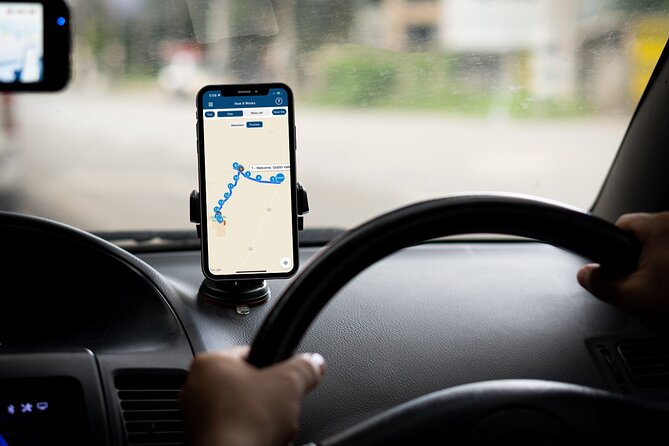
- Hands-Free Audio, Offline Maps, and Car Stereo Options
- Who This Works Best For (and Who Might Find It Too Short)
- Should You Book This Audio Tour?
- FAQ
- How much does the Goblin Valley self-guided driving audio tour cost?
- How long does the tour take?
- What language is the audio available in?
- Does it work offline?
- Do I need to bring headphones?
- Where does the tour start and end?
- What if the audio doesn’t start when I begin?
Key Highlights You’ll Actually Use
- Lifetime access, no expiry, so you can reuse it on future Utah road trips
- Offline navigation support, so the audio experience keeps working even with weak or no signal
- Hands-free playback by location, meaning you don’t have to tap through stops
- 15+ audio stories across a 15+ mile loop, with quick stops that keep your car time efficient
- Car-friendly sound setup options (Bluetooth, USB, or AUX) plus walking-friendly alternatives like headphones
- Start-to-end route coverage from Temple Mount Road to Goblin Valley Road, designed for a smooth one-sitting outing
More hoodoos and slot canyons to wander
- Moab Rappeling Adventure: Medieval Chamber Slot Canyon★ 5.0 · 183 reviews
- Goblin Valley State Park Canyoneering Adventure★ 5.0 · 76 reviews
- From Moab: Half-Day Canyoneering Adventure in Entrajo Canyon★ 4.9 · 12 reviews
- North Wash Canyoneering Adventure★ 5.0 · 10 reviews
Why This Goblin Valley Audio Drive Feels Practical
Goblin Valley is one of those places where the scenery hits you immediately. But if you only drive through at speed, you miss the why behind the shapes. This tour helps you slow down just enough—ten-ish minutes per main stop—to notice what you’re actually looking at.
I like that you control the tempo. You’re not stuck with a group or a loud guide trying to manage everyone’s attention. If you want a longer look at a hoodoo formation, you can pause and stretch the moment. If you don’t care about one stop’s story, you can skip it and keep rolling.
The other practical win is that the whole thing is designed around location-aware audio. That means you can focus on driving and spotting the next landmark, instead of hunting for the next play button.
The catch is simple: you’ll need your phone set up correctly ahead of time so the offline experience and coordinates-based start work as intended.
Price and Value: $9.99 Per Group Can Work Out Well
The price is $9.99 per group (up to 4). For families and small friend groups, that’s where this kind of audio tour shines: one purchase can cover everyone in the car.
Think about the value like this: you’re not paying for entry tickets or a reserved guide; you’re paying for guided-style interpretation of the drive. Since the route is roughly 1–2 hours and covers the most iconic viewpoints, the cost-to-time ratio can feel fair—especially when you’re already doing a self-drive Utah trip.
Still, there’s one caution. Some people feel an audio tour is “too short” compared to what they expected. If you want a full-day program with lots of walking, this may feel skimpy. If your goal is a smart, efficient way to understand the key stops you’ll already want to photograph, it’s a good match.
Starting at Temple Mt Road: The Coordinates Matter
This tour starts on Temple Mount Road (Temple Mt Rd, Utah, USA) and ends on Goblin Valley Road (Goblin Valley Rd, Utah, USA). No one meets you at the beginning. You pull in, open the app, and begin at the first audio story’s location.
The big “do this right” tip: download the tour while you’re in strong Wi‑Fi or cellular coverage. After that, it works offline. If you try to rely on weak signal during download, you risk the kind of audio setup frustration that makes self-guided trips feel like a chore.
Also plan to start at the correct coordinates. The experience uses location-based triggers, so if you start far from the first point, the app may not begin the way you expect.
How Long It Takes and How to Pace the Stops
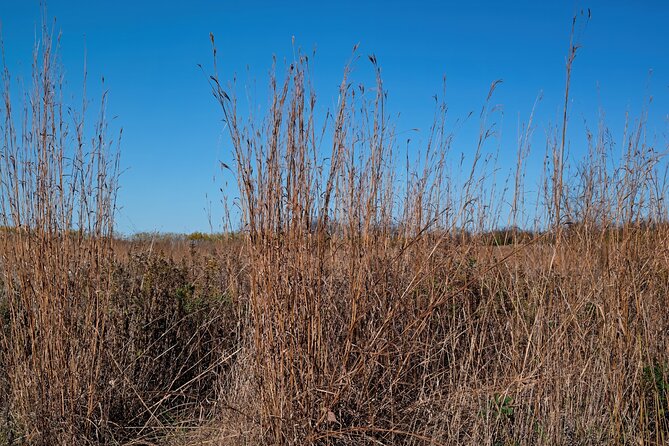
Expect about 1–2 hours total for the drive experience. The full route is over 15 miles long, and there are 15+ audio stories threaded through the main viewpoints.
Each stop is designed to be quick—around 10 minutes for the core story beats. That makes the tour easy to fit into a Moab day that might also include other parks or hikes. It also keeps you from turning one “easy drive” into an all-afternoon commitment.
My advice: don’t treat the stop time as a stopwatch. Use it as a prompt. Park, read the visual cues (look for the landmark shape the narration describes), listen, then spend an extra couple minutes doing your own viewing.
More drives to run at your own pace
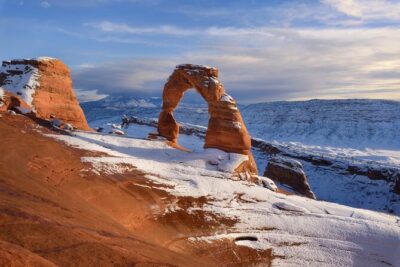


San Rafael Swell: Big Geology Before You Even Hit Goblins
The first story pulls you toward the San Rafael Swell, a raised ridgeline formation covering about 2,000 square miles and reaching as high as roughly 7,000 feet above sea level. It’s a great opener because it frames the entire area as shaped over time, not just “random rocks.”
What you’ll do here is simple: look up and ahead at that dramatic raised form, then let the story give it meaning. If you’re the type who likes understanding why a place looks the way it does, this first stop does that quickly.
A small consideration: the tour is still a drive-and-park format. If you’re hoping for a long overlook walk immediately, plan for a shorter initial moment and more time at later hoodoo viewpoints.
Welcome to Goblin Valley: From Goblins to Pictographs
Once you settle into Goblin Valley proper, the tour shifts from broad geologic context to human history and art. The “welcome” moment sets the tone: mushroom-like rock formations and ancient imagery mean you’re looking at more than scenery.
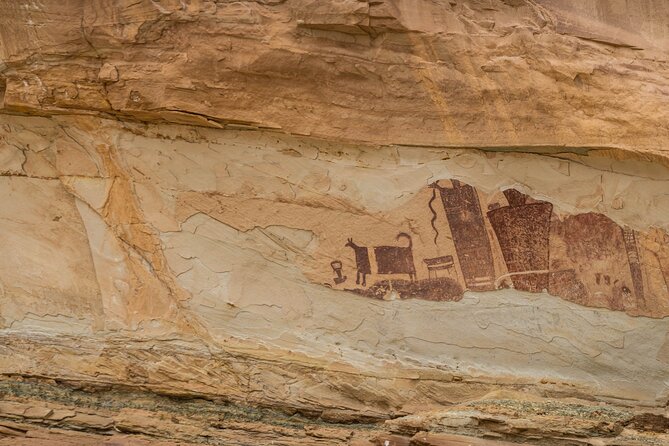
Then you’ll drive to a pictograph panel stop with a clear, practical instruction—watch for the parking area coming up on the right and turn in when you see it. When you park, you’re set up for a story that focuses on Temple Mountain Wash Pictograph Panel, decorated with ancient art.
Here’s the interpretive payoff: the narration explains how some figures match the Barrier Canyon Style—including tall humanoid figures and abstract motifs—while other imagery reflects a different style. That mix is part of how researchers think about how the Fremont people lived here after Barrier Canyon Style artists were gone.
Why this matters to you: pictographs can feel like “just markings” if you don’t know what to look for. The audio gives you a lens, so you’re not squinting in the dark, wondering what’s relevant.
Molly’s Castle: A Landmark You Can Read Like a Drawing
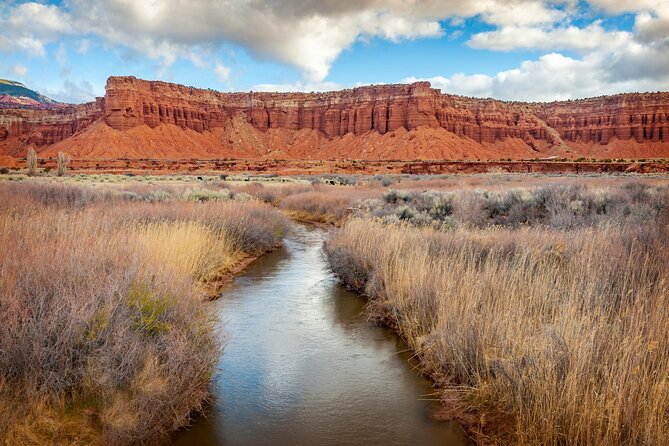
Next up is Molly’s Castle, visible off to your left. This outcrop sits at more than 5,000 feet elevation and looks like it has turrets, towers, and walls made of sandstone.
The useful part of this stop is how it trains your eye. Hoodoo fans often spot the weird shapes first. This story nudges you toward pattern recognition: the way erosion highlights “castle-like” edges, giving you something to compare across other formations.
If you’re traveling with a mixed group—someone who loves photos and someone who likes facts—this is a friendly midpoint. You get something to admire visually without needing to do heavy walking.
Wild Horse Butte: When Wind and Water Become Architects
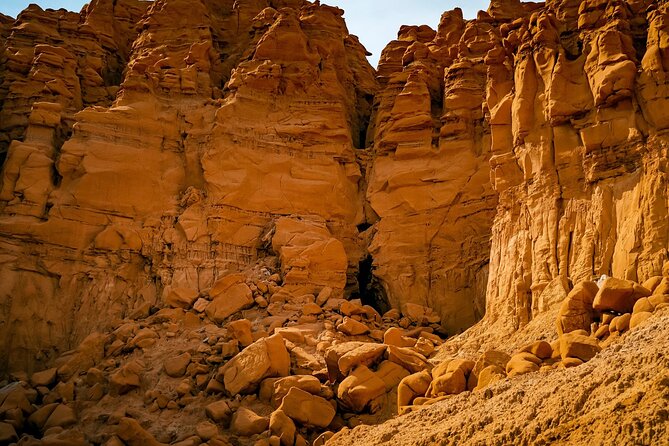
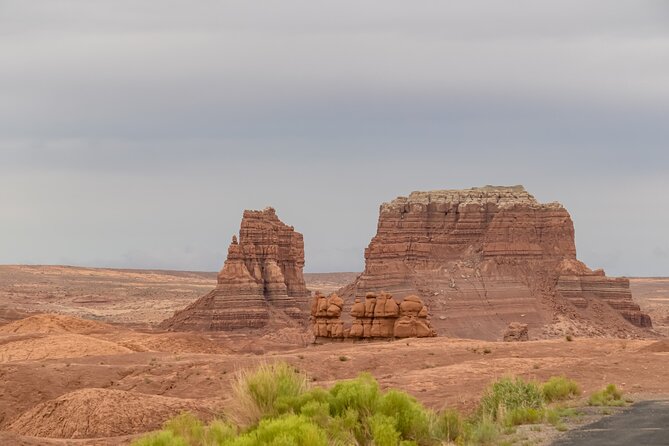
Wild Horse Butte is described as a massive formation ahead to the right at about 5,760 feet above sea level. Like the other rock features, its peculiar form comes from sculpting by wind and water over millions of years.
This is where the tour becomes less about a single famous view and more about learning how to interpret the region. You start seeing the desert’s “slow tools” at work: not just random erosion, but repeated shaping that makes specific silhouettes.
Practical note: the stop is short. You’ll likely get one good viewing window from your parking point. If you want longer time for photos, pause the audio and do your own extra scan once the main story finishes.
Three Sisters: The Hoodoos With Names You’ll Remember
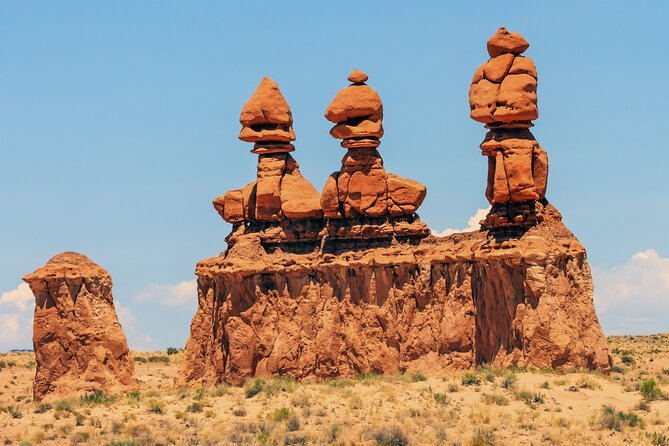
The Three Sisters are the classic Goblin Valley trio—three hoodoos rising from a rocky top. If you’ve seen a photo of Goblin Valley State Park at all, odds are you’ve seen these.
The tour gives you a memorable framing: the hoodoos are “named” by locals as Sister Superior, Sister Act, and Sister Mary, based on their stately, poised look. That kind of naming helps you keep track of what you’re seeing, especially if you’re looking at them while driving or moving between viewpoints.
This stop also works well as a photo checkpoint. The formations are visually distinctive, so even if you arrive late in the day, you’ll still recognize them.
Small drawback: hoodoos look best when you can line up shape with light. If the sun is harsh and overhead, you might want to plan your day so you get softer angles later—though the tour itself doesn’t control your timing.
Goblin Overlook: Hoodoos, World Records, and a Film Bonus
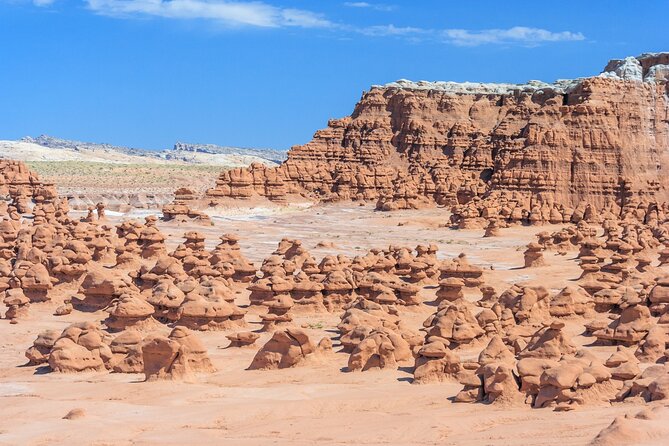
At Goblin Overlook, the tour brings you to a bigger “wow” claim: Goblin Valley has the highest occurrence of hoodoos in the world, even more than Bryce Canyon, with thousands of hoodoos scattered through the area. The narration also points out that the alien-looking setting helped make it a film location, including Galaxy Quest (1999), starring Tim Allen.
This last stretch is where the audio tour earns its keep. By now you’ve learned the types of formations and the human history thread. So the ending story lands with more weight than it would if you started here with zero context.
If you’re a movie fan, the film tie-in gives you an extra reason to frame your photos. If you’re not, the hoodoo “why” still matters.
Hands-Free Audio, Offline Maps, and Car Stereo Options
The app experience is built around three ideas:
1) Download first, then go offline
2) Audio plays automatically based on where you are
3) You can pause anytime for breaks and photos
You also have sound options. For in-car playback, audio is compatible with Bluetooth, USB, or AUX, and playback works with Apple CarPlay (with navigation features listed as coming soon). Android Auto support is also described as on the way.
For walking moments, headphones can help—though this particular drive-focused tour is mostly about parking and viewing from pull-offs.
The most important practical tip is still the simple one: make sure the tour is downloaded in strong connectivity before you head out on your drive loop.
Who This Works Best For (and Who Might Find It Too Short)
This tour fits best if you’re:
- doing a self-drive Moab trip and want structure without scheduling
- traveling as a small group (up to 4 per purchase)
- the type who likes to stop for photos, listen for context, then move on
- more interested in “what am I looking at and why” than in long guided walks
It may not fit as well if you:
- expect a full guided program with lots of human interaction
- want a longer on-foot itinerary instead of quick viewpoint stops
- hate any technical setup and would rather not manage downloading, passwords, and coordinate starts
There’s a basic honesty in the format: it’s efficient. For some people that’s the point. For others, it feels too brief.
Should You Book This Audio Tour?
I think it’s a smart buy if your goal is to get more meaning from Goblin Valley without adding cost, guides, or complicated schedules. The mix of geology, pictograph context, and iconic hoodoo stops is exactly what you’d hope to hear on a first visit.
Book it if you like:
- an organized route that covers the big sights
- offline reliability
- hands-free audio that keeps your attention on the views
Skip it or consider a different style of tour if:
- you need a long, guided, walking-heavy experience
- you’re not willing to do the tech steps (download, start at coordinates, verify audio)
If you’re the “I want to understand this place fast” traveler, this one will likely feel worth it.
FAQ
How much does the Goblin Valley self-guided driving audio tour cost?
It costs $9.99 per group, up to 4 people. That price is for the audio experience, not for any attraction admission.
How long does the tour take?
Plan for about 1 to 2 hours. The full route is over 15 miles long and includes 15+ audio stories.
What language is the audio available in?
The tour is offered in English.
Does it work offline?
Yes. You must download while you have strong Wi‑Fi or cellular access, and after that the tour works offline.
Do I need to bring headphones?
Headphones aren’t required. For the car, you can connect your phone to your stereo via Bluetooth, USB, or AUX. Headphones may help if you do any walking between stops.
Where does the tour start and end?
It starts at Temple Mount Road (Temple Mt Rd, Utah) and ends at Goblin Valley Road (Goblin Valley Rd, Utah).
What if the audio doesn’t start when I begin?
You’ll want to start the tour at the correct story point/coordinates in the app, since the audio is designed to trigger based on your location. If you have issues, you can contact support.
More Tour Reviews in Moab
- HIGHLY RATED U-DRIVE Moab Hell’s Revenge UTV Off-Road Adventure
★ 5.0 · 3,107 reviews - Arches National Park 4×4 Adventure from Moab
★ 5.0 · 2,014 reviews - Moab: Colorado River Dinner Cruise with Music and Light Show
★ 4.5 · 1,302 reviews - You-Drive 4×4 UTV Adventure–Hell’s Revenge & Fins N’ Things, Moab
★ 5.0 · 1,114 reviews - Canyonlands National Park Half-Day Tour from Moab
★ 5.0 · 1,074 reviews
Drive It Yourself
- Arches National Park Self-Guided Driving Audio Tour
★ 4.5 · 288 reviews - Arches and Canyonlands NP Self-Guided Driving Audio Bundle Tour
★ 4.5 · 68 reviews - Canyonlands National Park Self-Guided Driving Audio Tour
★ 4.5 · 54 reviews - Full-Day Audio Driving Tour of Arches National Park
★ 4.5 · 27 reviews - Utah Mighty 5 National Parks Self-Guided Driving Audio Tours
★ 4.5 · 25 reviews
Into the Slots and Hoodoos
- Moab Rappeling Adventure: Medieval Chamber Slot Canyon
★ 5.0 · 183 reviews - Goblin Valley State Park Canyoneering Adventure
★ 5.0 · 76 reviews - From Moab: Half-Day Canyoneering Adventure in Entrajo Canyon
★ 4.9 · 12 reviews - North Wash Canyoneering Adventure
★ 5.0 · 10 reviews
Fresh Off the Trail: Newest Moab Reviews
- Discover Moab Rappelling on a Private Canyoneering Adventure
★ 5.0 · 3 reviews - Moab Custom 4 Seat Kawasaki KRX® 1000 Off Road UTV Rental
★ 5.0 · 3 reviews - Moab: Half-Day Rock Climbing Adventure
★ 5.0 · 3 reviews - Moab Half Day Kayaking Trip – Colorado River
★ 4.6 · 3 reviews - From Moab: Rock of Ages Moderate Rappelling Obstacle Course
★ 5.0 · 3 reviews - Professional Stargazing in Moab
★ 3.5 · 3 reviews
Goblin Valley & Slot Canyons, compared.
 ★ 5.0Moab Rappeling Adventure: Medieval Chamber Slot CanyonFrom $139183 reviews
 ★ 5.0Goblin Valley State Park Canyoneering AdventureFrom $18976 reviews
 ★ 4.9From Moab: Half-Day Canyoneering Adventure in Entrajo CanyonFrom $25012 reviews
 ★ 5.0North Wash Canyoneering AdventureFrom $34210 reviews
Browse the lists this tour appears in