
Reviewed · ARCHES NATIONAL PARK TOURS
Day of Photography in Moab, Arches & Canyonlands
Moab can be a hard place to shoot well unless you know where to stand. This day is built for practical learning in Arches and Canyonlands, with hands-on guidance from instructor Colin and a tight group size that keeps the attention on you. You’ll also get planning for the day’s light, not just a rush through scenic stops.
What I like most is the way you work on real composition and framing, not just random clicking. You’ll also get clear help with camera basics in the field, including settings and how to use a tripod so you’re making photos on purpose.
One thing to weigh is that this is a long day and involves short walks (under a mile) at certain spots, plus park admission isn’t fully included. If you’re relying on pickup, note there’s also a pickup limit in the guide’s vehicle for passengers with gear.
In This Review
- Key highlights worth knowing before you go
- Entering Moab’s Photo Rhythm: Small Group, Big Payoff
- Stop 1: Dead Horse Point State Park Viewpoints That Teach You to Look
- Stop 2: Canyonlands National Park for Variety, Not Just One Icon
- Stop 3: Arches National Park with Timed Entry and Strategy
- Stop 4: Potash Road and an Ancient Petroglyph Pause
- What the Guide Coaching Looks Like in Practice (Not Theory)
- Price and Value: Is $395 a Good Deal?
- Getting There and Moving During the Day (Pickup Limits Matter)
- What to Bring for a Smooth Day
- Who This Tour Fits Best
- Should You Book This Moab Photo Day?
- FAQ
- How long is the Moab photo day?
- How big is the group?
- Is pickup available?
- Where does the tour start and end?
- What’s included in the price?
- Do I need a park pass?
- Is there any hiking?
- What happens if the weather is bad?
Key highlights worth knowing before you go
- Max 6 people means you’re not lost in the crowd; the guide can actually check your framing.
- Dead Horse Point viewpoints are handled like a mini photo circuit, with time to work angles.
- Arches gets a timed entry permit as part of the experience, which helps you arrive with less waiting.
- Tripod and camera-setting coaching focuses on what to change and why, not just what to buy.
- Snacks and cold water keep you fueled during long stretches between stops.
More ways through Arches, gate to gate
- Arches National Park 4×4 Adventure from Moab★ 5.0 · 2,014 reviews
- Arches National Park Back Country Adventure from Moab★ 5.0 · 633 reviews
- HIGHLY RATED Arches National Park Sightseeing Tour From Moab Utah★ 5.0 · 474 reviews
- From Moab: Half-Day Arches National Park 4×4 Driving Tour★ 4.8 · 440 reviews
Entering Moab’s Photo Rhythm: Small Group, Big Payoff
This is a full-on photo day, and the format is simple: you go to the right places, then you learn how to see them better. With up to six participants, you get more one-on-one feedback than you would on a long bus tour. That matters in Moab, where the best images often come from small moves—stepping left, lowering the camera, waiting ten minutes for the light to shift.
I also like that the tour isn’t just about places. It’s about the process: composition, camera use, and how to take control of your exposures. That’s especially helpful if you’re a beginner with a point-and-shoot or someone who’s comfortable with manual settings but wants better results in harsh desert light.
One more practical point: the day runs about 9 to 11 hours. So plan this like a mission day. Bring your camera kit, be ready to walk short distances, and expect to spend more time “working” a scene than sprinting to the next one.
Stop 1: Dead Horse Point State Park Viewpoints That Teach You to Look
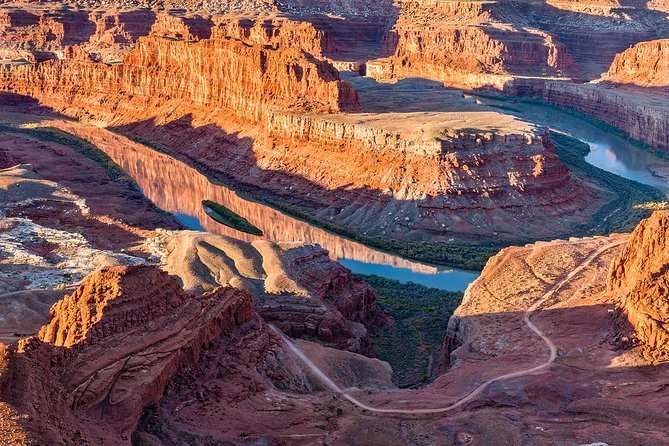
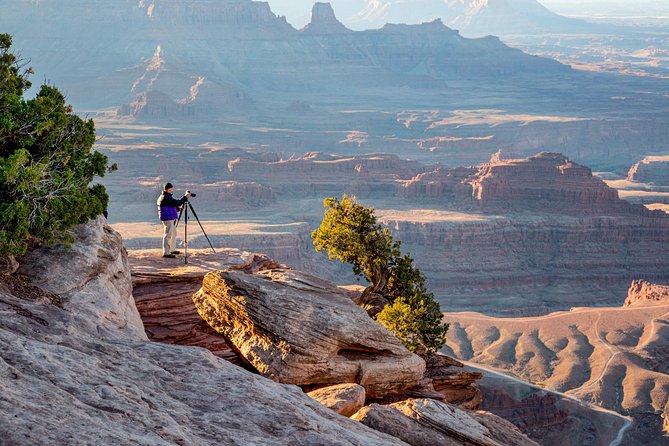
Dead Horse Point State Park is where you start learning how to frame wide views. You’ll photograph from multiple viewpoints around the point, and the time block is about 1 hour 30 minutes. That’s enough time to try a few approaches: tighter compositions that emphasize patterns in the rock, and wider shots that show the larger valley geometry.
The park admission ticket is included for this stop, which is a nice early win on value. More importantly, you get to practice a skill that carries through the rest of the day: how to simplify a busy scene into something strong. When you’re in the middle of desert scenery, it’s easy to shoot what’s in front of you. This stop nudges you toward deciding what matters.
Bring a way to steady your camera if you can. Tripod use comes up during the coaching, and desert light can move fast. Even if you don’t shoot super long exposures, stabilizing your frame helps you nail sharp compositions—especially when you’re using a longer focal length.
Stop 2: Canyonlands National Park for Variety, Not Just One Icon
Canyonlands is where the tour shifts from “find the view” to “find the shot.” You’ll stop at 2 to 3 locations, depending on weather and timing, and you’ll have around 2 hours total. The park admission for this portion is listed as free, so you’re not juggling ticket timing while trying to learn.
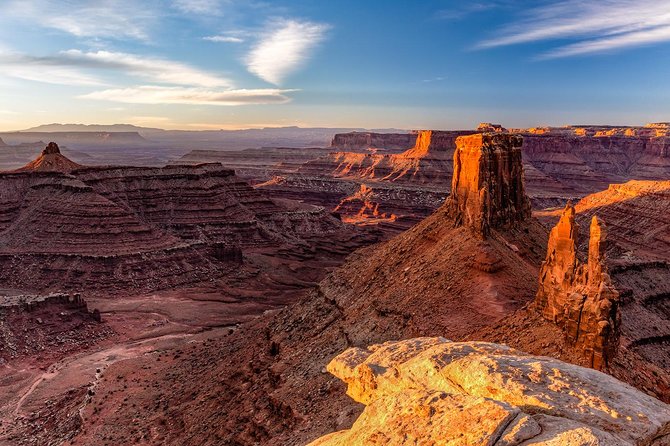
This is a great stop for practicing lens choice and composition layers. Canyon country is full of foreground textures, middle-distance forms, and distant structure. A good photo often comes from arranging those layers—rather than just aiming at the biggest formation you see.
There’s one trade-off to understand: you have limited time, so you won’t do long hikes here. The tour is designed around short walks only (when needed), so expect viewpoints and short access, not a day-long trek. If you want big exertion, you can add it later. For a photo coaching day, this pacing works.
Stop 3: Arches National Park with Timed Entry and Strategy
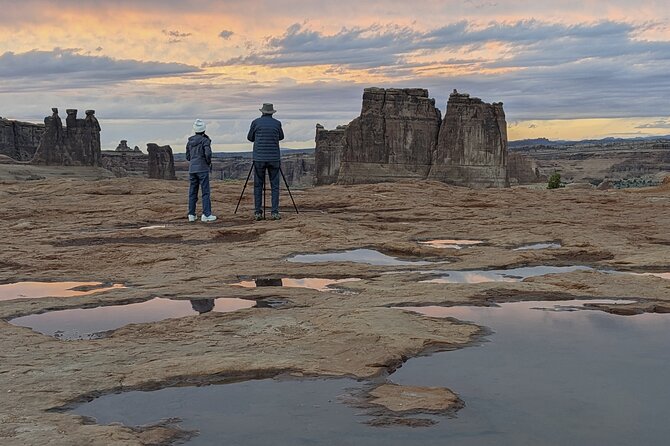
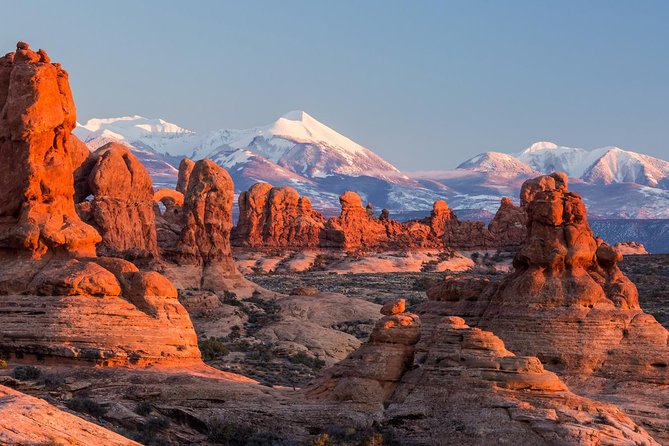
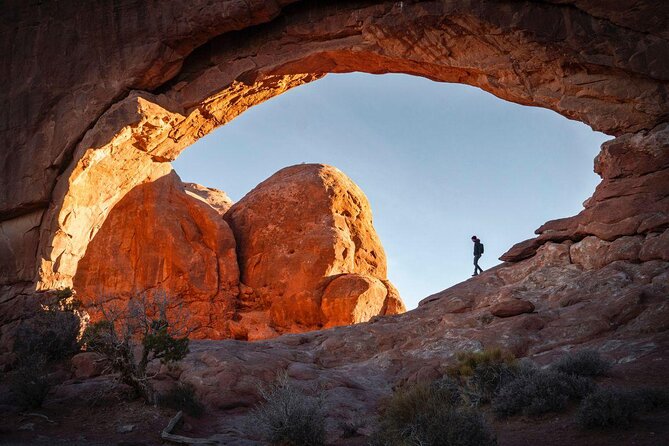
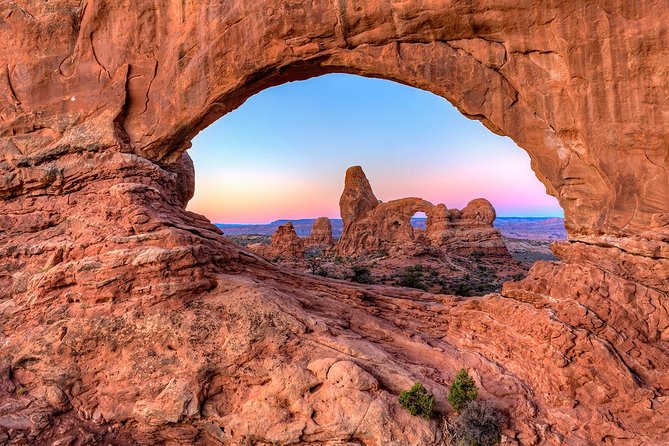
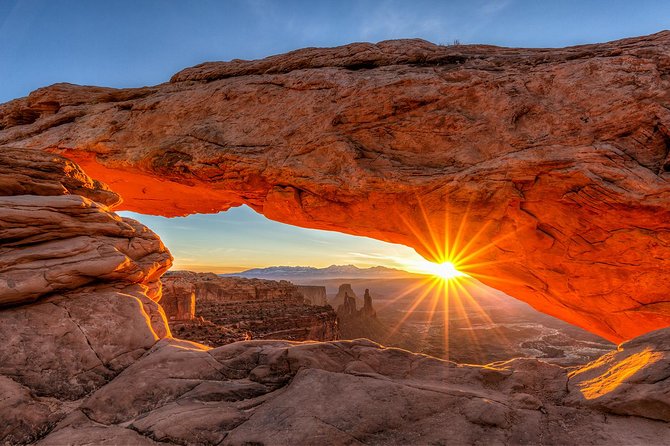
Arches is the headline. You’ll spend about 4 hours there photographing arches and rock formations, and there’s a good reason this part of the day is longer than the others. Arches is also busy, and the tour plan tries to make room for more out-of-the-way compositions where possible.
Admission for Arches is not included, so you’ll need a park pass (or buy one at the entry booth when you go in). On the upside, the tour includes an Arches timed entry permit, which can save you from the frustrating wait that can ruin your photo rhythm.
Here’s what I think you’ll gain at Arches: the guide pushes you beyond the obvious. Even if you know the famous shapes, you still need to work angles, include the right foreground elements, and use the light instead of fighting it. With expert guidance, you can learn a simple but powerful habit: take one subject, then change one thing at a time—camera angle, distance, framing height, and exposure choices—until your best shot shows up.
Also, this is where the pacing and instruction feel most “real.” You’ll have enough time to try different setups, and the coaching tends to cover everything from how you frame to how you manage camera settings like aperture, shutter speed, and ISO. If you use a tripod, you’ll get pointers on timing and stability too.
Deeper into Canyonlands and the Island in the Sky
Stop 4: Potash Road and an Ancient Petroglyph Pause
On the way back, time permitting, you may stop along Potash Road for an ancient petroglyph site. It’s listed as about 20 minutes, and the admission ticket is included.
This stop is short on purpose. It adds texture to your day because petroglyphs change what you’re photographing. Instead of chasing pure rock formations, you’re looking for surface detail, history, and framing that respects scale. Even in a quick window, the guide can help you think about how close to get and how to keep background distractions under control.
If weather or timing is tight, this may be skipped. But when it works, it’s a nice contrast that helps you leave the day with more than just arches and canyon views.
What the Guide Coaching Looks Like in Practice (Not Theory)
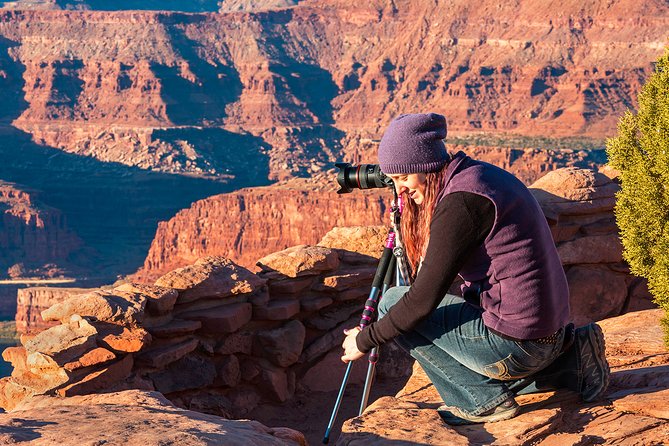
The value here isn’t only that the guide knows places. It’s that you’re taught how to turn those places into photographs. The instruction style is very hands-on: you’ll get photo tips that focus on composition, framing, and camera use, and you’ll be encouraged to apply them right away at each location.
From the kind of feedback described, you can expect support across skill levels. Beginners tend to benefit from practical explanations of exposure basics and framing choices. More experienced photographers also get help refining technique, including how to use the camera settings you already know in real desert conditions.
Some helpful themes you’ll likely hear throughout the day:
- Shooting mode guidance and timing choices, not just exposure numbers
- Tripod use tips so your framing stays sharp and repeatable
- Framing guidance that pushes you to simplify and layer
There’s also a playful side to the day. One described highlight is the guide using humor in the photo setup, including playful posing ideas that get people laughing and, honestly, thinking more creatively about angles and scale. That kind of energy matters because it keeps you experimenting instead of freezing when something doesn’t look right.
Price and Value: Is $395 a Good Deal?
At $395 per person, this isn’t a budget activity. But for a Moab day that bundles multiple parks, a small group, and in-field coaching, it can be good value—especially if you want to improve quickly rather than just sightsee.
Here’s why it can feel worth it:
- You’re not paying only for entry to scenery; you’re paying for structured instruction while you’re shooting.
- Max 6 travelers means time with the guide, which is where the money translates into better photos.
- You get water and snacks included, so you’re not scrambling mid-day.
The main value “watch-out” is that park admissions aren’t fully handled. Dead Horse Point and Potash Road are included, Canyonlands is free, but Arches admission isn’t included. So your total cost depends on your personal park pass plan. Still, the tour includes the Arches timed entry permit, which helps you use that paid admission time well.
Bottom line: if you’re serious about learning or you want a more guided way to photograph famous parks, this price makes sense. If your goal is mostly casual sightseeing and you don’t care about coaching, you could likely find cheaper ways to drive the same regions.
Getting There and Moving During the Day (Pickup Limits Matter)
The day starts at the Moab Information Center (25 E Center St, Moab, UT 84532). You’ll return to the meeting point at the end.
Pickup is offered, but there’s an important limitation: the guide notes room for 4 passengers plus gear in their vehicle. That means if more than four people book, others will need to drive their own vehicles and follow. You can also meet at your Moab hotel or campground (not Castle Valley), or meet at the Moab Visitor Center on Main St.
This affects your planning:
- If you want pickup, book early and be ready with your gear packed smartly.
- If you’ll self-drive, you’ll want a simple routine for meeting points so you don’t spend the day lost.
- Because you’ll be in national parks and scenic roads, it’s smart to keep your camera battery charging plan tight.
What to Bring for a Smooth Day
You’ll have short walks at certain locations (under 1 mile), plus a long day of photographing. Pack like you’re out for a full shoot, not just a casual stroll.
I recommend you bring:
- Your camera with a way to shoot both wide and tighter frames (if you have a choice)
- A tripod if you use one; the day is set up for tripod-friendly technique
- A small sun kit: hat, sunglasses, sunscreen
- Water and snacks are provided, but it still helps to have a personal comfort item
- Anything you need to handle Arches timing smoothly, since timed entry is part of the plan
If you’re a beginner, also do a quick check before you go. Make sure you know how to adjust basic settings like aperture, shutter speed, and ISO. You don’t need every advanced feature; you just need enough control to follow the coaching without guessing.
Who This Tour Fits Best
This is a strong fit if you want to learn while you’re traveling through iconic country. It’s especially good for:
- Beginner photographers who want practical instruction and better composition habits
- Intermediate photographers who know the basics but want better results at famous locations
- Anyone who prefers a smaller group and structured stops instead of a crowded sweep-through day
It’s less ideal if you dislike long days. At 9–11 hours, you’ll be moving, shooting, and waiting for light cues. You also need to be comfortable with short walks and uneven surfaces at viewpoints.
If your style is strictly hands-off sightseeing and you’re not interested in camera coaching, you might feel like the day is more work than you want. But if you want better photos fast, this plan is set up to help you improve in real-world conditions.
Should You Book This Moab Photo Day?
If you care about getting better photos and you like the idea of learning on the ground, I’d book it. The small group size, the in-field coaching, and the way the day uses time at key viewpoints make this a practical choice, not just a scenic drive.
I’d think twice if:
- You’re avoiding national park fees and your park pass plan is unclear, since Arches admission isn’t included.
- You need guaranteed pickup in the guide’s vehicle, since pickup capacity is limited.
- You don’t want a long day or you’re not comfortable with short walks.
If you’re on the fence, a simple test helps: ask yourself whether you want to improve your photos this trip. If yes, you’re paying for skills you can use for years. If no, you may prefer a self-drive day and spend your effort enjoying the parks at your own pace.
FAQ
How long is the Moab photo day?
It runs approximately 9 to 11 hours.
How big is the group?
The tour has a maximum of 6 travelers, with group sizes capped for more attention from the guide.
Is pickup available?
Pickup is offered, with room for 4 passengers plus gear in the guide’s vehicle. If you’re not picked up in that vehicle, you’ll drive your own car and follow. You can meet at Moab hotels or campgrounds (not Castle Valley) or at the Moab Visitor Center on Main St.
Where does the tour start and end?
It starts at the Moab Information Center, 25 E Center St, Moab, UT 84532, and ends back at the meeting point.
What’s included in the price?
Cold water and snack bars are included. The Arches timed entry permit is included, and Dead Horse Point and the Potash Road petroglyph stop include admissions (where listed).
Do I need a park pass?
Yes. Arches National Park admission is not included, and you’ll need a park pass (or buy one at the entry booth when you go in). Canyonlands is listed as free for this stop.
Is there any hiking?
Some locations require short hikes under 1 mile.
What happens if the weather is bad?
The experience requires good weather. If it’s canceled due to poor weather, you’ll be offered a different date or a full refund. Cancellation is free up to 24 hours in advance for a full refund.
More Tour Reviews in Moab
- HIGHLY RATED U-DRIVE Moab Hell’s Revenge UTV Off-Road Adventure
★ 5.0 · 3,107 reviews - Arches National Park 4×4 Adventure from Moab
★ 5.0 · 2,014 reviews - Moab: Colorado River Dinner Cruise with Music and Light Show
★ 4.5 · 1,302 reviews - You-Drive 4×4 UTV Adventure–Hell’s Revenge & Fins N’ Things, Moab
★ 5.0 · 1,114 reviews - Canyonlands National Park Half-Day Tour from Moab
★ 5.0 · 1,074 reviews
More of Canyonlands
- Canyonlands National Park Half-Day Tour from Moab
★ 5.0 · 1,074 reviews - Canyonlands National Park Backcountry 4×4 Adventure from Moab
★ 5.0 · 458 reviews - Discover The Best Of Moab In A Day: Arches Canyonlands Dead Horse
★ 5.0 · 327 reviews - Canyonlands National Park Needles District by 4×4
★ 5.0 · 298 reviews - From Moab: Full-Day Canyonlands and Arches 4×4 Driving Tour
★ 4.9 · 289 reviews
More Ways Into Arches
- Arches National Park 4×4 Adventure from Moab
★ 5.0 · 2,014 reviews - Arches National Park Back Country Adventure from Moab
★ 5.0 · 633 reviews - HIGHLY RATED Arches National Park Sightseeing Tour From Moab Utah
★ 5.0 · 474 reviews - From Moab: Half-Day Arches National Park 4×4 Driving Tour
★ 4.8 · 440 reviews - Discover The Best Of Moab In A Day: Arches Canyonlands Dead Horse
★ 5.0 · 327 reviews
Fresh Off the Trail: Newest Moab Reviews
- Discover Moab Rappelling on a Private Canyoneering Adventure
★ 5.0 · 3 reviews - Moab Custom 4 Seat Kawasaki KRX® 1000 Off Road UTV Rental
★ 5.0 · 3 reviews - Moab: Half-Day Rock Climbing Adventure
★ 5.0 · 3 reviews - Moab Half Day Kayaking Trip – Colorado River
★ 4.6 · 3 reviews - From Moab: Rock of Ages Moderate Rappelling Obstacle Course
★ 5.0 · 3 reviews - Professional Stargazing in Moab
★ 3.5 · 3 reviews
Arches National Park Tours, compared.
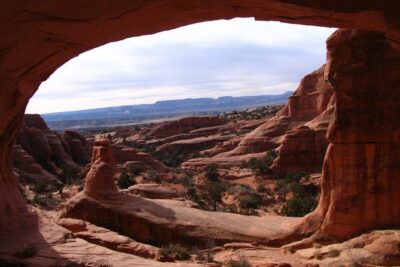 ★ 5.0Arches National Park 4×4 Adventure from MoabFrom $1962,014 reviews
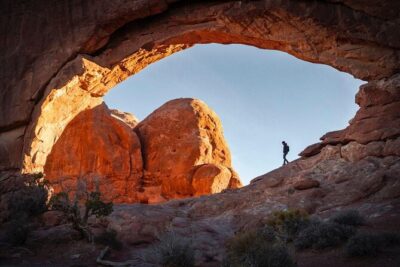 ★ 5.0Arches National Park Back Country Adventure from MoabFrom $210633 reviews
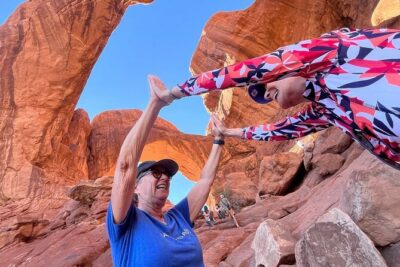 ★ 5.0HIGHLY RATED Arches National Park Sightseeing Tour From Moab UtahFrom $149474 reviews
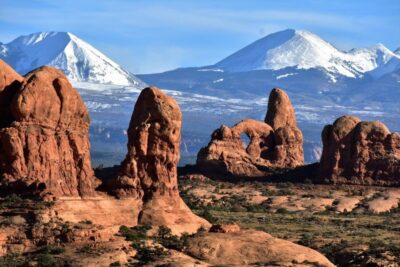 ★ 4.8From Moab: Half-Day Arches National Park 4×4 Driving TourFrom $196440 reviews
 ★ 5.0Discover The Best Of Moab In A Day: Arches Canyonlands Dead HorseFrom $399327 reviews
 ★ 4.9From Moab: Full-Day Canyonlands and Arches 4×4 Driving TourFrom $337289 reviews
 ★ 4.5Arches National Park Self-Guided Driving Audio TourFrom $16288 reviews
 ★ 5.0Arches and Canyonlands 4X4 Adventure from MoabFrom $336234 reviews
Browse the lists this tour appears in