
Reviewed · COLORADO RIVER RAFTING TRIPS
Cataract Canyon
Cataract Canyon is the kind of trip you plan once and remember forever. This 120-mile float through Canyonlands National Park takes you from the Colorado River into the Green and Colorado confluence, then down Cataract’s signature rapids. I like that you get both quiet river moments and the big whitewater—plus you’re not just drifting; you’ll stop for hikes and learn what you’re seeing along the way, with a guide team that includes people like Cam, Geddy, Charlie, and Rizzi. Canyonlands by river is the whole point here, and it feels extra real when you’re actually on the water.
Two things I really like: first, the combination of whitewater and cultural stops. You’ll see ancient Anasazi ruins, pictographs, and petroglyphs—plus you’ll float past Dead Horse Point State Park views and Indian ruins in Lathrop Canyon. Second, the day-by-day rhythm gives you time to breathe: hikes that run from short to about half an hour, river camping right on the banks, and a laid-back evening vibe with things like a library on the river, horseshoes, volleyball, and backgammon. Ancient sites and river time both feel like they’re doing real work on the experience.
One consideration: this trip depends on conditions and timing. It runs May–June and early July when spring runoff brings raging water, but July–October calms down while still staying exciting, and you’ll need decent fitness because you’ll hike and move around the raft camps. Early start and season-based water intensity mean you should pick your month carefully—and know the booking is non-refundable.
In This Review
- Quick Hits Before You Go
- Cataract Canyon: 120 Miles of Real Whitewater Country
- Moab Morning Logistics at Adrift Adventures (7:15 Meet)
- Day 1 on the Colorado: Quiet Water, Ruins, and Camp Life
- Day 2 Deep in Canyonlands: Dead Horse Point Views and Lathrop Canyon
- Day 3 to the Confluence: Rapids Start, Doll House Area, and a Morning Hike
- Day 4 Mile Long and Big Drop Rapidity: Where It Gets Serious
- Day 5 Lake Powell Motor Through: Wrap-Up at Hite Marina
- What You’re Paying For: Price and Value at $1,398
- Season Choice: May–June vs July–October vs Later Summer
- Who This Trip Fits Best (and Who Might Struggle)
- Practical Tips That Make the Trip Smoother
- Should You Book Cataract Canyon?
- FAQ
- How long is Cataract Canyon for this experience?
- Where do we meet in Moab?
- How does transportation work on the way in and out?
- What’s included in the price?
- Is there a vegetarian option?
- What fitness level do I need?
- What is the cancellation policy?
Quick Hits Before You Go
- Raging rapids in spring run-off: May, June, and early July can mean true big-water days.
- You float past the Green and Colorado confluence before Cataract’s real action begins.
- Guides and crew matter: Adrift Adventures runs trips with a professional guide team (people like Cam, Geddy, Charlie, Rizzi).
- Camping right on the river: each of the first nights is on the banks, with evening activities to take the edge off.
- Park fees and meals are built in: taxes, park access, beverages, snacks, and meals are included.
- Small groups: up to 15 travelers keeps things manageable on and off the water.
More time on the Colorado, wave for wave
- Fisher Towers Half-Day Rafting Day Trip from Moab★ 4.5 · 684 reviews
- Moab Afternoon Half Day Rafting Trip – Colorado River★ 5.0 · 678 reviews
- Moab Morning Half Day Rafting Trip – Colorado River★ 5.0 · 522 reviews
- From Moab: Colorado River Guided Rafting Trip★ 4.5 · 478 reviews
Cataract Canyon: 120 Miles of Real Whitewater Country
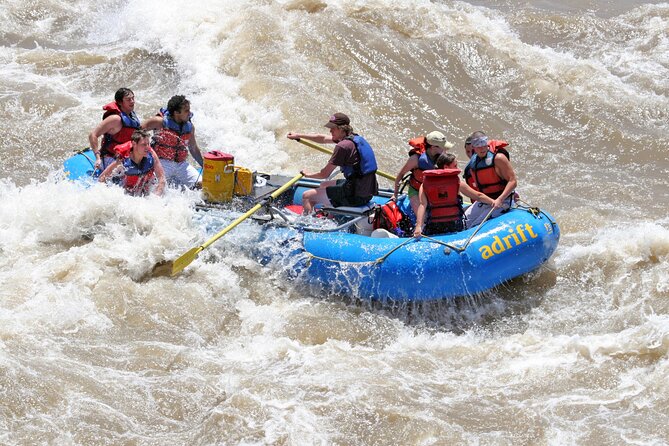
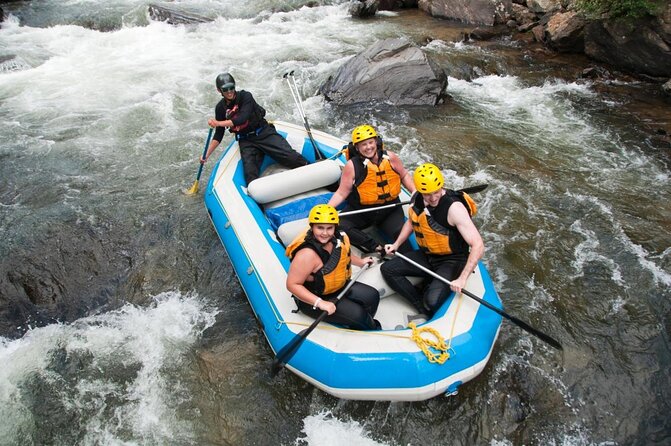
If you’re picturing a classic Utah rafting trip, this is closer to the serious version. Cataract Canyon sits inside Canyonlands National Park, and this float takes you through some of the roughest, most exciting whitewater in the U.S. during higher-water months—then into calmer (but still far from “easy”) conditions later in the season.
The big idea is that you get the full feel of the river, not just the highlights. You’ll spend days drifting through wind-sculpted sandstone country and then shift into rapids that have name recognition for a reason—like the Mile Long and Big Drop sections. And because you’re moving from one major river system moment to the next, the trip keeps changing as you go, instead of repeating the same scenery and the same push-pull of paddling all day.
One more thing I appreciate: you’re on a named course with defined days. You can choose a shorter 3-, 4-, or 5-day adventure, and the longer you go, the more time you have for both the rapids and the downtime that makes those rapids feel worth it.
Moab Morning Logistics at Adrift Adventures (7:15 Meet)
Your day starts in Moab at Adrift Adventures, 378 N. Main St. Plan to be there around 7:15 a.m. for a 7:30 a.m. departure. You leave your vehicle in their parking lot, then you’re transported to the river put-in.
That matters more than people think. A fast, organized start helps you avoid the classic rafting-trip chaos where you’re rushing gear and paperwork while everyone else is already gearing up. Here, your first job is simple: show up early, get on the road, and let the trip flow.
You also get a mobile ticket, which is convenient if you’re trying to keep everything in your phone while traveling.
Day 1 on the Colorado: Quiet Water, Ruins, and Camp Life
Day 1 is your setup day. You start on the Colorado River with flat-water cruising, then gradually add little breaks that keep the day from turning into one long drift.
You’ll have a few short hikes—anywhere from about five minutes to around half an hour. These stops break up the monotony and also help you read the canyon’s clues: shapes in the rock, clues to how the area was used, and the human layer that’s easy to miss when you’re only watching rapids.
The cultural side is a standout: you’ll visit ancient Anasazi ruins, along with pictographs and petroglyphs that are over a thousand years old. When that happens while you’re still fresh from the morning start, it lands differently than if you reached those sites late in a long trip.
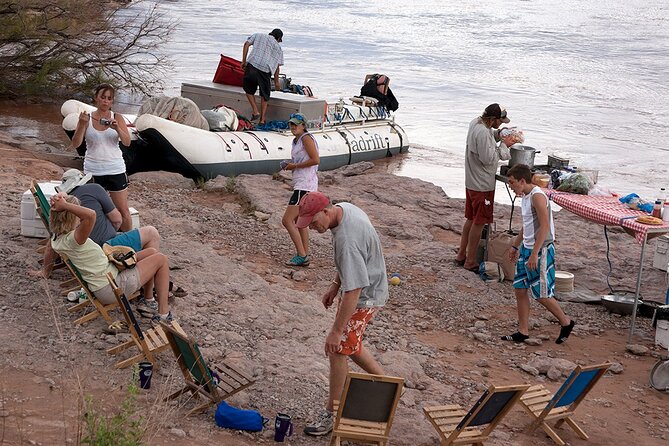
By evening, you’re camping right on the banks of the river. That river-camp feel is part of the appeal—no driving off to find the next “thing.” You’ll be able to hang out with low-key camp options like a library on the river, plus horseshoes, volleyball, and backgammon. If you like adventure but also like a bit of normal social downtime, this kind of evening programming helps.
Day 2 Deep in Canyonlands: Dead Horse Point Views and Lathrop Canyon
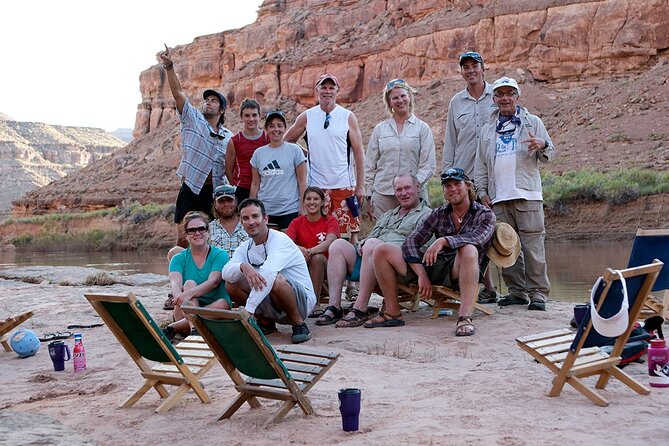
Day 2 takes you deeper into Canyonlands National Park. You get views linked to Dead Horse Point State Park, and you also float by Indian ruins in Lathrop Canyon. Even if you’ve seen canyon photos before, it’s hard to translate how fast your brain adjusts once you’re actually in the canyon environment—scale becomes real, and details pop out when the river slows down.
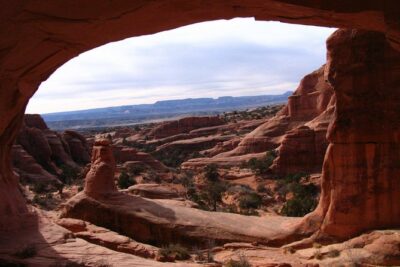
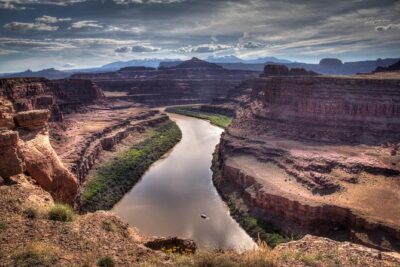
This is also one of your quieter days in the sense that you’ll spend more time drifting and taking in what’s around you. The wind-sculpted sandstone cliffs show spires, pinnacles, mesas, and amphitheaters. The river acts like your moving viewpoint, and you notice how light changes the rock as the day goes on.
Off-river hiking gets more time here, so you can stretch your legs and get a more grounded sense of the canyon walls from ground level. Then you’re back to river camping again on the banks.
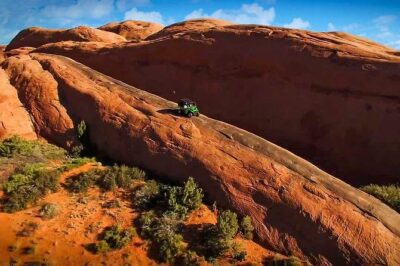
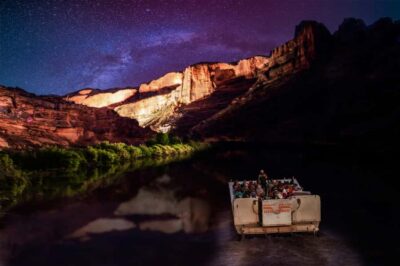

Day 3 to the Confluence: Rapids Start, Doll House Area, and a Morning Hike
On Day 3, you wake up and get moving early. The day begins with an early hike over a loop while the boats are waiting for you on the other side—so it feels like a clean “switch” from land to water.
Then you float toward one of the defining moments of the whole trip: the confluence of the Green and Colorado rivers. You’ll float to that junction, and once you’re below it, the character of the trip changes. The heart of Cataract Canyon is next, and it’s not just scenery anymore; it’s action.
You’ll get your first set of rapids, and you’ll float past the Doll House area. This is one of those names that signals outlaw-era history in the canyon country, and seeing it from the water makes it feel less like trivia and more like a place with a real past layered into the geology.
At the end of the day, you camp again on the banks of the river. Day 3 is often where people start to feel that special mix of pride and exhaustion—the kind that comes from doing something physically real together with your group.
Day 4 Mile Long and Big Drop Rapidity: Where It Gets Serious
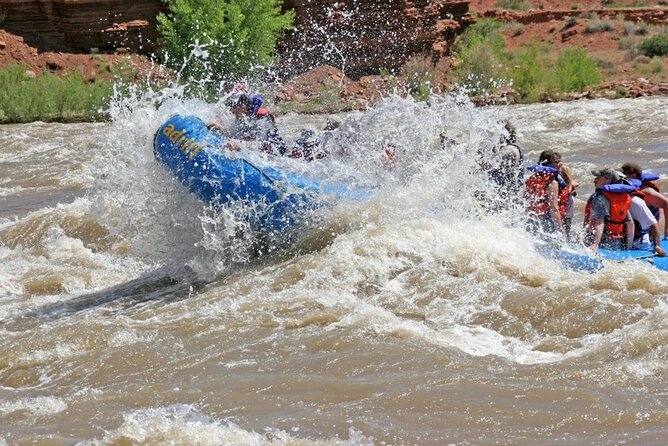
Day 4 is where Cataract starts flexing. More rapids are on the menu, and your day focuses on the Mile Long and the Big Drop series.
The Mile Long series gives you a sustained hit of moving water, which is important because rapids are easier to handle when you understand the rhythm. Then the day shifts toward the Big Drops, which are described as some of the wildest rapids in the country—and that description fits the experience you’re hoping for when you choose Cataract.
If you’re thinking of this as a “half day adventure” versus a real multi-day endurance trip, Day 4 corrects that idea quickly. Your body is already used to being on the river by then, but your mind is still getting reset by the changing water and the constant need to pay attention.
It’s also a good reminder that this isn’t a leisurely sightseeing cruise. You want to respect the raft, the guide’s instructions, and the fact that conditions can vary by season.
Day 5 Lake Powell Motor Through: Wrap-Up at Hite Marina
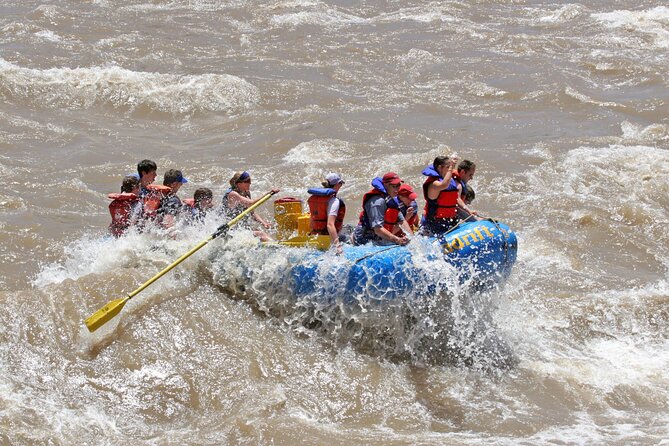
Day 5 brings you out of the core rapids portion and into the finishing stretch. You’ll have more moments of Cataract described through the day’s earlier events, then you’ll motor through Lake Powell.
That motor segment is a useful breather. It gives you a chance to shift from full whitewater focus into the final “we did it” feeling—plus it changes the vibe from canyon turbulence to wider water.
The trip ends at Hite Marina in the early afternoon. Chartered transportation then gets you back to Moab from around 3:00 to 4:00 p.m. You can choose a return flight option (about 50 minutes) or a return van ride (about 2.5 hours), and both options get you back to Moab.
What You’re Paying For: Price and Value at $1,398
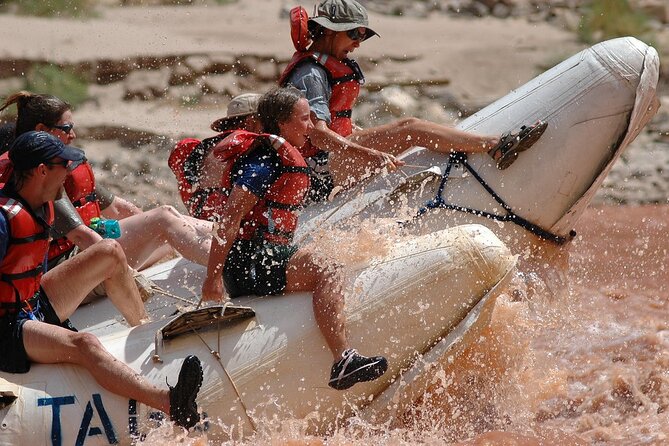
At $1,398 per person, the price can feel steep until you map what’s included. Here’s what you’re getting that usually costs extra elsewhere:
- National Park fees plus taxes and handling charges
- A professional guide
- Meals: breakfast (4), lunch (5), dinner (4), plus snacks and beverages
- The river day structure that uses guided hikes, camp setup, and a real itinerary flow
- Access to Cataract Canyon via a motorized J-Rig or an 18-foot oar raft (depending on the trip)
You’re not paying just for the thrill of being on water. You’re paying for the logistical backbone that turns a “cool idea” into an organized expedition: park access, meals, guides, and the move from put-in to take-out without you coordinating separate vehicles.
Also, the trip is capped at 15 travelers, so you’re not getting herded into a giant group. That tends to make your time with the guide feel more practical and less chaotic, especially during hikes and around rapid navigation.
Season Choice: May–June vs July–October vs Later Summer
The season you pick changes the feel of Cataract Canyon more than almost anything else.
- May, June, and early July: spring run-off can bring raging torrents. Expect big-water energy and the kind of whitewater that earns its reputation.
- July through October: the river calms to lower water levels, but it’s still not placid. You’ll likely get a more balanced mix of rapids and calmer stretches.
- Later summer: you can get pristine sandbars and warm water. That’s usually when the river feels more playful without giving up the adventure.
So the decision isn’t just about weather. It’s about the exact style of trip you want: maximum challenge versus a more sandbar-and-swim vibe.
Who This Trip Fits Best (and Who Might Struggle)
This experience is rated for travelers with moderate physical fitness. That’s because you’ll do hikes ranging from quick stops to longer walks around half an hour, plus you’ll be on your feet and moving around a river camp.
Who it suits well:
- You want a serious rafting trip, not just a scenic cruise.
- You like the mix of physical activity and cultural stops (ruins, pictographs, petroglyphs).
- You’re okay with early starts and being outdoors in changing conditions.
Who might find it tougher:
- If you don’t want any hiking at all, or if you’re uncomfortable with uneven terrain near canyon edges, this may feel like more work than you expected.
- If you’re very sensitive to weather changes, note that the trip operates in all weather conditions. You’ll just need to dress appropriately and follow guide instructions.
Practical Tips That Make the Trip Smoother
You’ll enjoy Cataract more when you prepare for a river day, not just a “tour day.”
A few practical things to plan for:
- Bring quick-dry clothing you don’t mind getting wet.
- Use footwear that can handle river conditions (you’ll want grip and comfort).
- Pack a simple dry-bag strategy so your phone, wallet, and anything you can’t replace stays protected.
- Expect sun and splash. Even on calmer parts, you’ll be in open air a lot.
- Plan your energy: you’ll be hiking, paddling, camping, and eating included meals on a schedule. A lighter packing day helps you focus.
Also, alcohol is available to purchase, but it’s not included. If you’re thinking about drinks, plan on setting that money aside.
Should You Book Cataract Canyon?
If you want a guided multi-day river trip where whitewater is the main event, Cataract Canyon is a strong pick. The value is better than it looks at first glance because park fees, meals, snacks, beverages, and a professional guide are all included, and the trip runs with a small group size (up to 15).
Book it if:
- You’re picking a month based on water level and you understand May–early July is the wild-water window.
- You want a mix of rapids, hikes, and real canyon culture stops.
- You’re comfortable with moderate physical activity and an early start.
Skip it or consider a shorter option if:
- You want a purely relaxing vacation with little hiking.
- You’re not ready to commit to season-dependent conditions and a non-refundable booking.
FAQ
How long is Cataract Canyon for this experience?
This option runs about 5 days. There are also shorter 3-day and 4-day versions available.
Where do we meet in Moab?
You meet at Adrift Adventures at 378 N. Main St, Moab, UT at 7:15 a.m. with a 7:30 a.m. departure.
How does transportation work on the way in and out?
You leave your vehicle in the Adrift Adventures parking lot and are transported to the river put-in. On the last day, the trip ends at Hite Marina, and chartered transportation brings you back to Moab between about 3:00 and 4:00 p.m. You can choose a flight (about 50 minutes) or a van ride (about 2.5 hours).
What’s included in the price?
Included are all taxes, fees, and handling charges, National Park fees, beverages, snacks, meals as per the itinerary (breakfast, lunch, dinner), and a professional guide.
Is there a vegetarian option?
Yes. A vegetarian option is available if you advise them at booking.
What fitness level do I need?
You should have a moderate physical fitness level since the trip includes hiking and time outdoors in river conditions.
What is the cancellation policy?
The experience is non-refundable and cannot be changed for any reason. If it’s canceled due to poor weather, you’ll be offered a different date or a full refund. If it’s canceled because the minimum number of travelers isn’t met, you’ll be offered a different date/experience or a full refund.
More Tour Reviews in Moab
- HIGHLY RATED U-DRIVE Moab Hell’s Revenge UTV Off-Road Adventure
★ 5.0 · 3,107 reviews - Arches National Park 4×4 Adventure from Moab
★ 5.0 · 2,014 reviews - Moab: Colorado River Dinner Cruise with Music and Light Show
★ 4.5 · 1,302 reviews - You-Drive 4×4 UTV Adventure–Hell’s Revenge & Fins N’ Things, Moab
★ 5.0 · 1,114 reviews - Canyonlands National Park Half-Day Tour from Moab
★ 5.0 · 1,074 reviews
More Time on the Colorado
- Fisher Towers Half-Day Rafting Day Trip from Moab
★ 4.5 · 684 reviews - Moab Afternoon Half Day Rafting Trip – Colorado River
★ 5.0 · 678 reviews - Moab Morning Half Day Rafting Trip – Colorado River
★ 5.0 · 522 reviews - From Moab: Colorado River Guided Rafting Trip
★ 4.5 · 478 reviews - Whitewater Rafting on the Colorado River
★ 5.0 · 294 reviews
Fresh Off the Trail: Newest Moab Reviews
- Discover Moab Rappelling on a Private Canyoneering Adventure
★ 5.0 · 3 reviews - Moab Custom 4 Seat Kawasaki KRX® 1000 Off Road UTV Rental
★ 5.0 · 3 reviews - Moab: Half-Day Rock Climbing Adventure
★ 5.0 · 3 reviews - Moab Half Day Kayaking Trip – Colorado River
★ 4.6 · 3 reviews - From Moab: Rock of Ages Moderate Rappelling Obstacle Course
★ 5.0 · 3 reviews - Professional Stargazing in Moab
★ 3.5 · 3 reviews
Colorado River Rafting Trips, compared.
 ★ 4.5Fisher Towers Half-Day Rafting Day Trip from MoabFrom $97684 reviews
 ★ 5.0Moab Afternoon Half Day Rafting Trip – Colorado RiverFrom $109678 reviews
 ★ 5.0Moab Morning Half Day Rafting Trip – Colorado RiverFrom $109522 reviews
 ★ 4.5From Moab: Colorado River Guided Rafting TripFrom $97478 reviews
 ★ 5.0Whitewater Rafting on the Colorado RiverFrom $134294 reviews
 ★ 4.5Moab Combo: Colorado River Rafting and Canyonlands 4X4 TourFrom $264221 reviews
 ★ 5.0Moab Full Day Rafting Trip with Lunch — Colorado RiverFrom $153205 reviews
 ★ 5.0Full day Fisher Towers Rafting – MoabFrom $165194 reviews
Browse the lists this tour appears in